
 Apple Podcasts
 Spotify
 YouTube
 Podcast Addict
 Castbox
 PocketCasts
 iHeartRadio
  RSS Feed
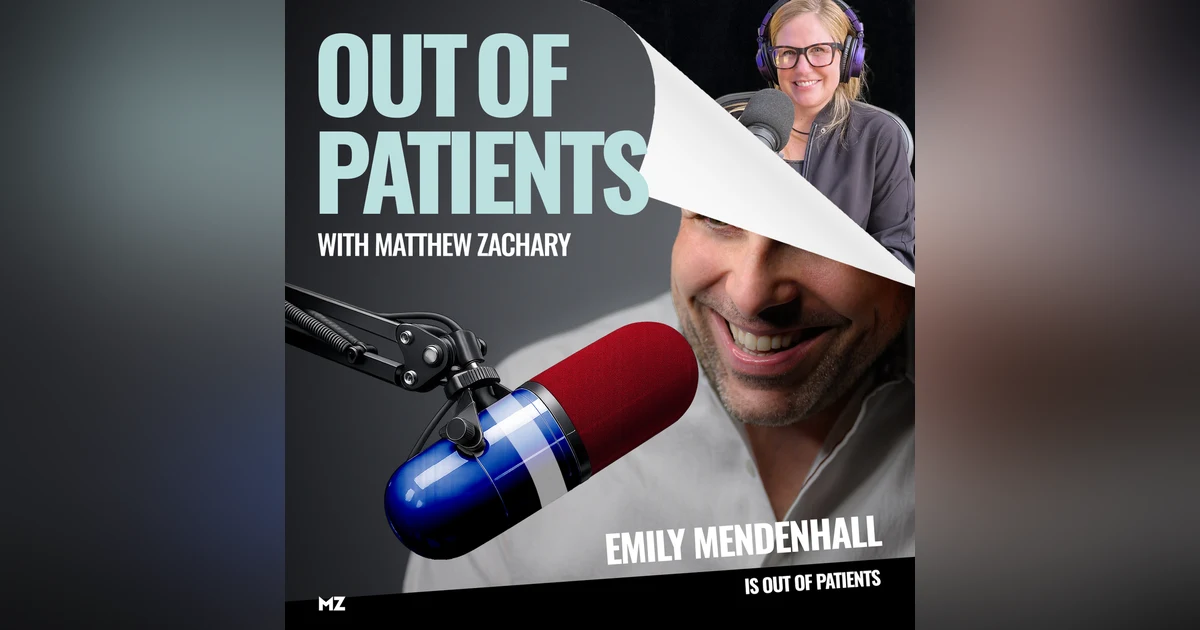
 Coding the Invisible: Emily Mendenhall
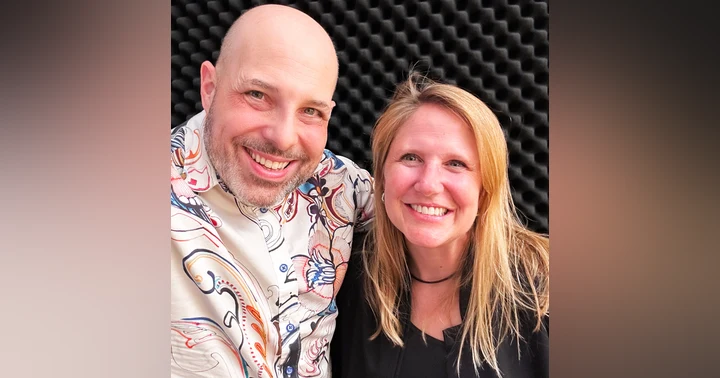
In 2020, Emily Mendenhall drove from Washington, DC to Okoboji, Iowa, a town of 800 that swells to 200,000 every summer, and walked into a pandemic that looked nothing like the one dominating national headlines. Inside gas stations and bars, masks marked you as an outsider. In one stop, a man told her family they would not be served if they kept theirs on. Her 6 year old daughter cried, confused.
Mendenhall, a medical anthropologist at Georgetown University, did what she always does. She started asking questions. Over months, she interviewed neighbors, former classmates, and local officials, including her own brother in law who helped lead the local COVID response. The result became Unmasked, a case study in how community identity, economics, and politics shaped public health decisions in real time.
That work led directly into her latest book, Invisible Illness: A History, from Hysteria to Long COVID, where she tracks a much older problem. Patients with chronic illness, especially women, often fail to meet medicine’s demand for proof. Without a clear diagnosis, they lose access to care, insurance coverage, and legitimacy. Mendenhall argues that long COVID did not create this failure. It exposed it.
This conversation centers on how healthcare systems reward certainty and punish complexity. Long COVID clinics send patients to 17 specialists without resolution. Insurance structures require diagnoses that many conditions cannot provide. Medical training still struggles to integrate trauma, mental health, and chronic disease into a coherent model of care.
Mendenhall brings lived experience into the conversation. After COVID, she dealt with months of fatigue and escalating anxiety that altered her baseline health. She does not claim the label of long COVID, but she understands how quickly the system becomes harder to navigate once symptoms stop fitting clean categories.
The stakes are not theoretical. In the United States, access to healthcare, disability benefits, and treatment still depends on whether a condition can be measured, coded, and reimbursed. For millions living with invisible illness, the burden of proof becomes the illness itself.
RELATED LINKS
Invisible Illness: A History, from Hysteria to Long COVID
FEEDBACK
Like this episode? Rate and review Out of Patients on your favorite podcast platform. For guest suggestions or sponsorship email podcasts@matthewzachary.com
See Privacy Policy at https://art19.com/privacy and California Privacy Notice at https://art19.com/privacy#do-not-sell-my-info.