
 Apple Podcasts

 Spotify

 YouTube

 Podcast Addict

 Castbox

 PocketCasts

 iHeartRadio
 RSS Feed
You Shouldn’t Need AI to Survive Cancer: Brad Power
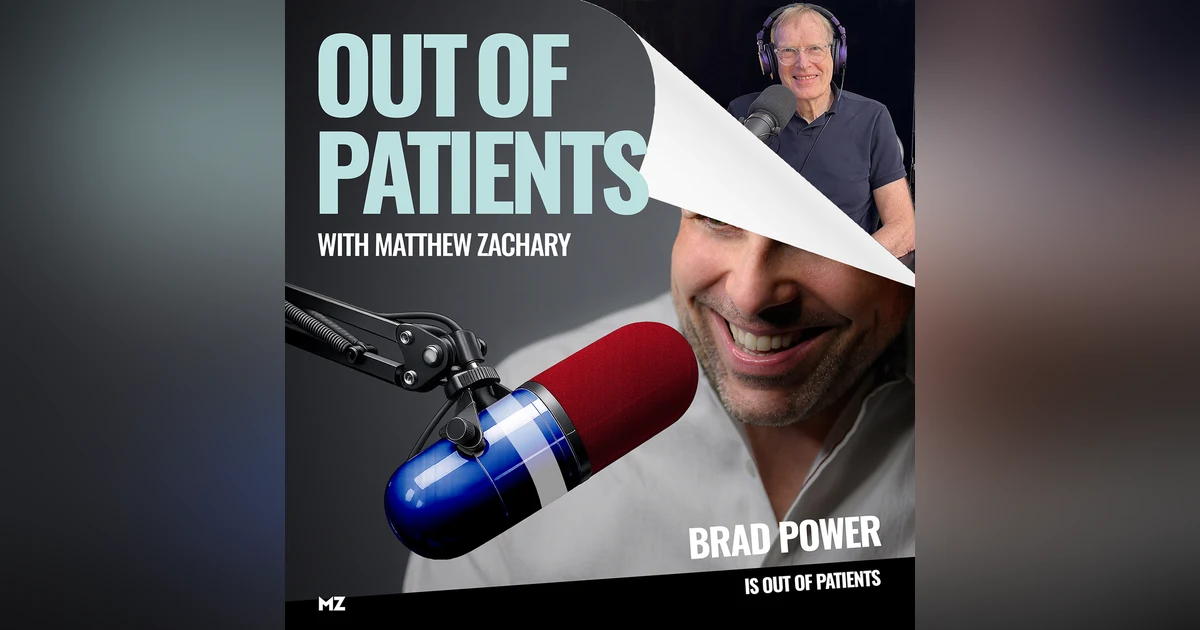
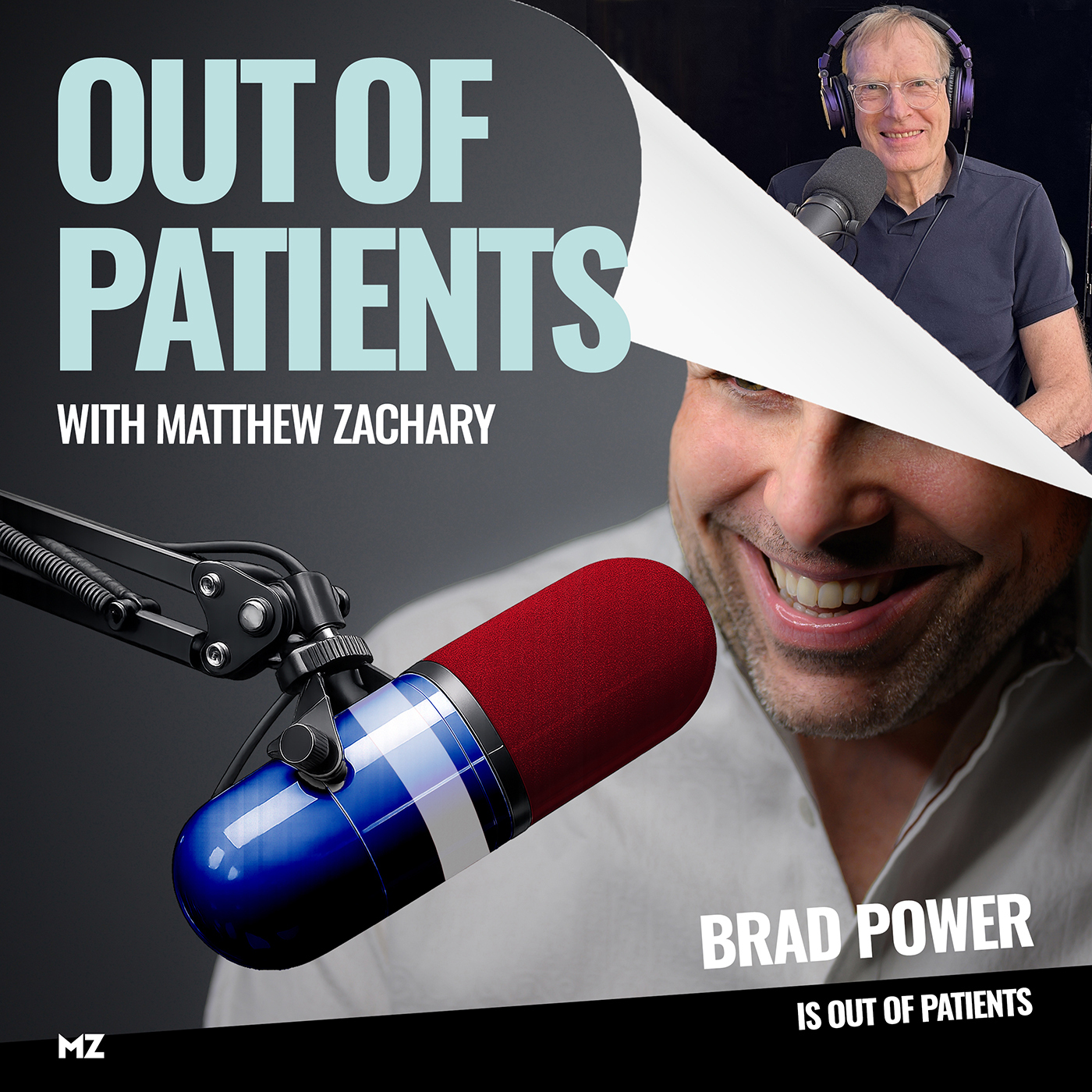
Brad Power spent years advising major corporations on systems design, process engineering, and decision making before lymphoma shoved him into the patient side of American healthcare. Instead of accepting the experience at face value, he started reverse engineering the machinery around cancer itself.
Brad is the founder of Cancer Patient Lab and Open Cancer AI, two projects built around a blunt reality most patients discover too late: the healthcare system rewards people who know how to navigate it. Everyone else risks getting steamrolled by information asymmetry, insurance barriers, administrative friction, and institutional incentives designed around efficiency instead of human survival.
The conversation starts with Harvard Business Review and Tumblr blogs before moving directly into the darker architecture underneath modern cancer care. Power explains how hospitals optimize for throughput, how insurance companies reward operational consistency over personalized medicine, and why many patients quietly end up needing a crash course in oncology, reimbursement policy, and behavioral psychology while fighting for their lives.
The discussion digs into CAR-T therapy, functional testing, AI assisted decision support, and the growing collision between personalized medicine and standardized care pathways. Power argues that engaged patients often get better outcomes because they learn how to push for off guideline treatments, contest denials, and ask smarter questions. The counterpoint lands hard: patients should never have needed to become experts in the first place.
The episode also explores the cultural consequences of AI entering cancer care. OpenAI advertising, data privacy, trust erosion, pharmaceutical influence, and “agentic AI” all collide inside a healthcare economy already drowning in distrust. Power sees artificial intelligence as a force multiplier for patient literacy and access. The larger system still decides who gets approved, who gets delayed, and who gets left behind.
By the end, the conversation lands exactly where modern healthcare keeps forcing people to land: survival increasingly depends on learning how the machine works before the machine works on you.
RELATED LINKS
FEEDBACK
Like this episode? Rate and review Out of Patients on your favorite podcast platform. For guest suggestions or sponsorship email podcasts@matthewzachary.com
See Privacy Policy at https://art19.com/privacy and California Privacy Notice at https://art19.com/privacy#do-not-sell-my-info.